Introduction: The New Reality of Grading in 2026
Entering 2026, the grading landscape has fundamentally shifted. With PSA’s parent company (Collectors) now owning both Beckett (BGS) and SGC, the industry has entered a “consolidation era.”
As we approach the Pokémon 30th Anniversary, grading is no longer just about protection—it is a financial lever. A mistake in grading strategy in 2026 doesn’t just cost you a few dollars; it costs you months of liquidity and hundreds in potential ROI. This guide breaks down the professional grading system for the current market.
The 2026 Grading Giants: PSA vs. BGS vs. CGC
With the market consolidation, choosing a service depends entirely on your end goal (Resale vs. Collection).
| Service | Best For | 2026 Market Position |
| PSA | Resale Value & Liquidity | Still the industry king. Controls ~75% of the secondary market volume. |
| BGS (Beckett) | High-End Grails | Now under the PSA umbrella but remains the choice for “Black Label” seekers. |
| CGC Cards | Modern Error Cards & Speed | The primary independent alternative with the most advanced “Pristine 10” tech. |
Pro Tip: In 2026, “Cross-grading” between PSA and Beckett has become more streamlined due to shared ownership, but their grading standards remain distinct.
The “Grading Math”: Calculating Your ROI
Before you spend $18.99–$44.99 on a submission, you must run the math. Professional sellers use the “Rule of 3”:
- Raw Value: What is the card worth right now? (e.g., $50)
- Grading Cost: Fee + Shipping + Insurance (e.g., $35)
- Breakeven Point: Your card must hit a grade that sells for at least $85 just to break even.
2026 ROI Multipliers:
- PSA 10: 2x – 10x Raw Value.
- PSA 9: 1.2x – 1.5x Raw Value (Often a loss after fees for modern cards).
- PSA 8 or below: Usually lower than Raw Value for modern cards.
Step-by-Step: The Professional Submission Flow
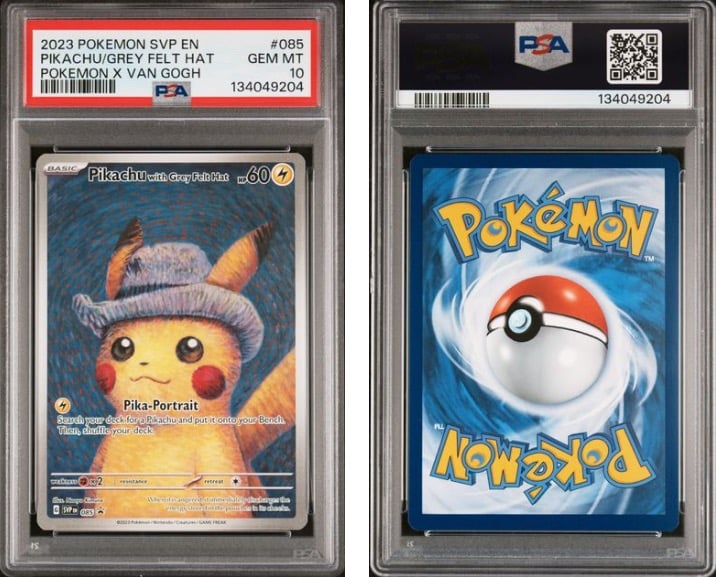
In 2026, grading companies are stricter on “surface wear” due to new AI-assisted scanning.
Step 1: Pre-Screening (The 10x Loupe)
Don’t trust your naked eye. Check for “Silvering” on the edges and “Print Lines” which are common in the 2026 Mega Evolution sets.
Step 2: Population Report Research
Check the PSA Pop Report. If there are already 5,000 PSA 10s of your card, the “scarcity premium” will disappear. Grade the “low pop” variants instead.
Step 3: Secure Packaging
Use Card Saver 1s (not Toploaders) for PSA. In 2026, “Semi-Rigid” holders are mandatory for bulk submissions to avoid processing delays.
Common Grading Mistakes
❌ Grading “Junk Slabs”: Submitting $2 holo cards hoping for a 10. The market is flooded with low-value slabs that don’t sell.
❌ Ignoring Turnaround Times: PSA Bulk is currently averaging 95 business days. If you grade a “hype” card now, the meta might change before you get it back.
❌ Emotional Grading: Assuming your childhood card is a 10. (Vintage cards rarely grade above an 8 without professional cleaning).
2026 Market Trends: The 30th Anniversary & Beyond
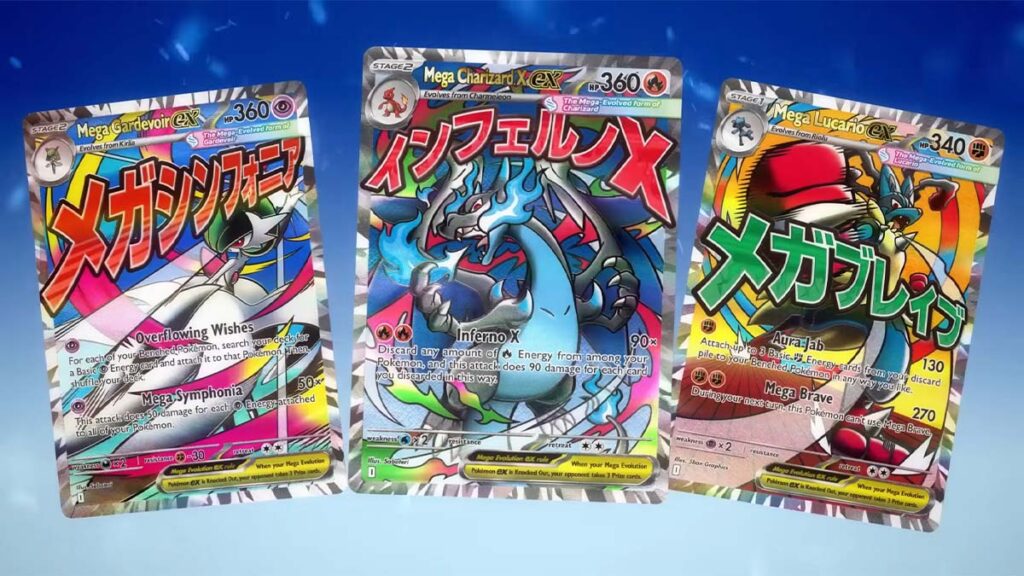
What defines value in the 2026 grading market?
- The “Mega” Effect: With the return of Mega Evolution in the TCG, vintage Mega EX cards from the XY era are seeing a massive spike in grading demand.
- AI Consistency: All major services now use AI for centering. “Off-center” 10s are officially a thing of the past.
- The 30th Anniversary: Special promo cards from the 2026 anniversary sets are expected to have the highest “Population Growth” in history. Sell early or hold for 10 years; don’t get caught in the middle.
Final Thoughts: Strategy Over Luck
In 2026, grading is a volume game for some and a precision game for others. If you are grading for profit, treat it like an IPO: Research the supply, calculate the cost, and time the market.
The difference between a “Collector” and a “Pro” is the ability to leave a card raw when the math doesn’t add up.
Leave a Reply