Introduction: The Engine of the Rift
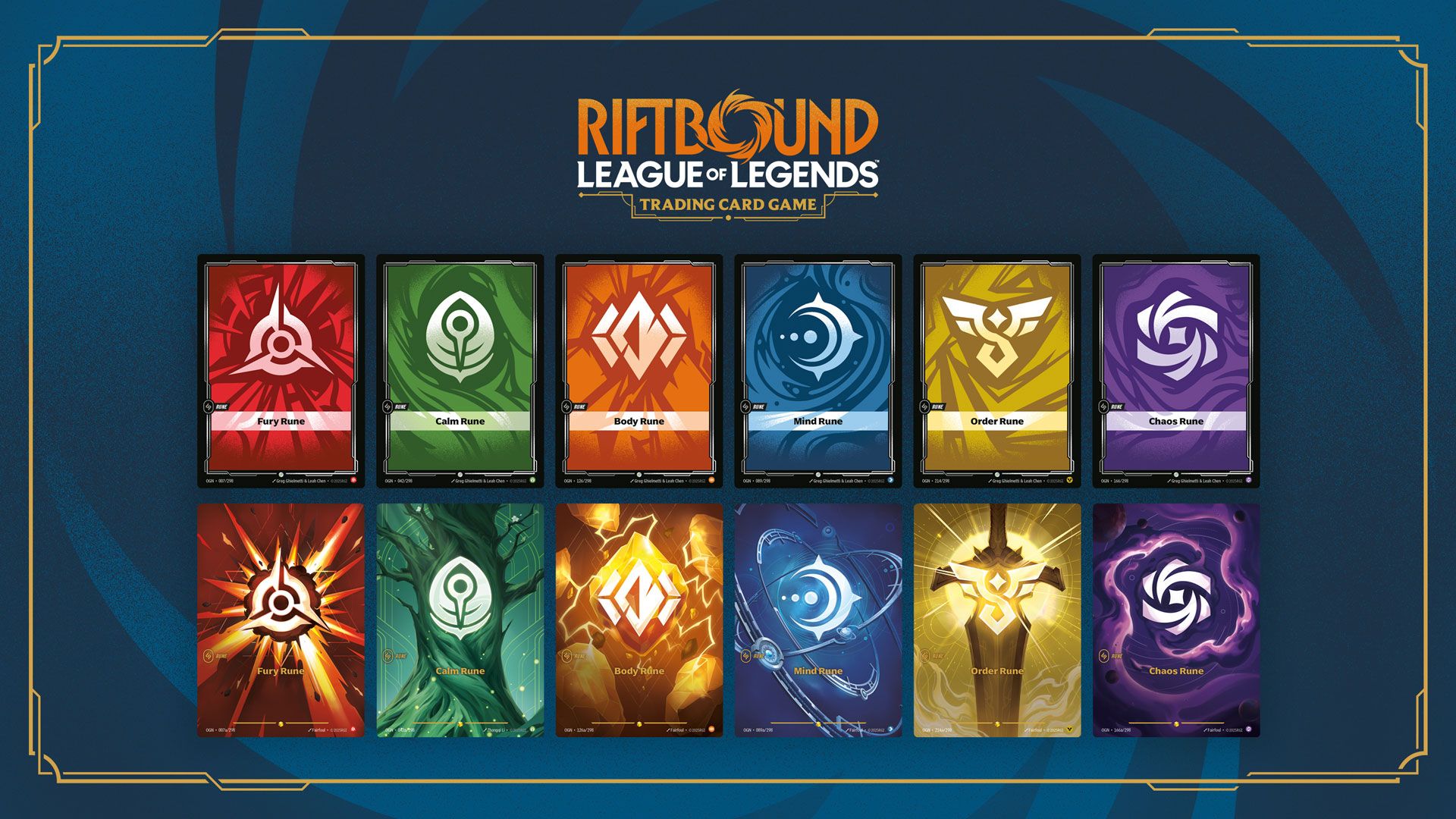
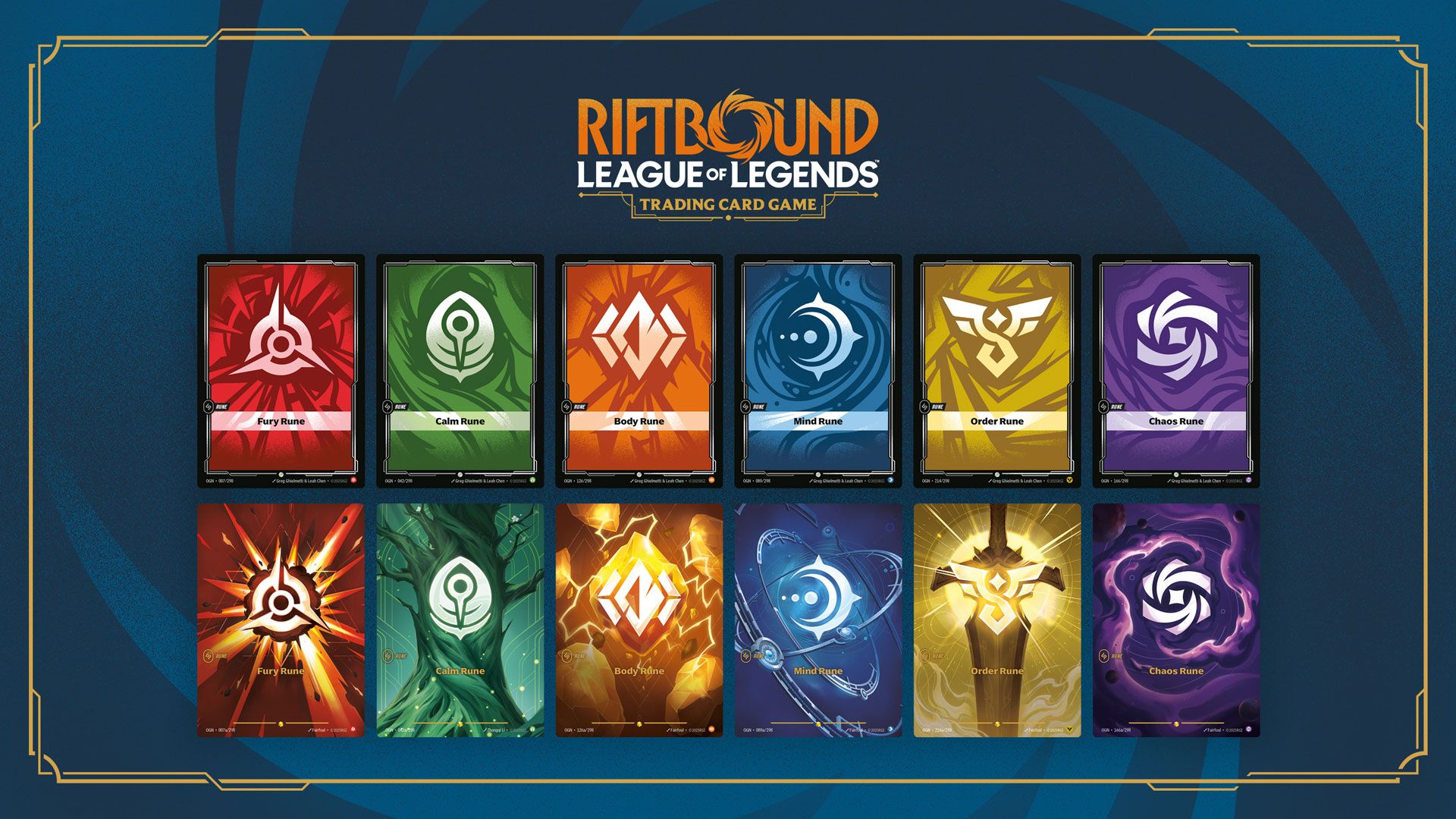
In Riftbound, your 40-card Main Deck provides the tools, but your 12-card Rune Deck provides the fuel. While the 8-point victory defines the goal, the Rune system defines the pace. Because you add exactly two Runes to your board during the Channel Phase each turn, the composition of these 12 cards dictates when you can deploy your core units and when you can activate game-winning spells.
Optimizing your Riftbound Rune architecture is about more than just matching colors to your Domain; it is also about balancing the early and late-game fluidity to ensure your engine never stalls.
The 7-5 vs. 6-6 Split: When to Pivot?
In the current Riftbound competitive meta 2026, failing to meet specific elemental requirements during the opening turns is the fastest way to lose momentum. To maximize your win rate and avoid bricking in Riftbound, you must treat your Rune Deck as a statistical engine.
- The 7-5 Ratio (Primary Focus): This is the most stable distribution for Duo-Domain decks. Assigning 7 slots to your primary color (e.g. Fury Rune for Kai’sa, Daughter of the Void, Body Rune for Sett,the boss) ensures a high statistical probability of having an active Rune of this color by Turn 1.
- The 6-6 Ratio (High-Cost Synergy): If your deck features multiple cards in both domains that require more than 2 Power to cast(e.g. Deadbloom Predater and Whiteflame Protector in Master Yi, Wuju Bladesman), choosing a 6-6 architecture is a wise strategic choice. This balanced split ensures that both domains have deep resource pools, allowing you to sustain high-cost plays from both halves of your deck without one side depriving the other of necessary Power.
Energy vs. Power: The Balancing Act
The most fundamental choice in Riftbound resource management is how you use your active Runes. Every Rune in your architecture serves a dual purpose:
- Energy (Exhausting): Turning a Rune sideways to pay for basic unit costs. This is your liquid currency for board presence.
- Power (Recycling): Placing a Rune at the bottom of your 12-card deck to fuel elite abilities and Signature Spells.
Pro Strategy: Dual Resource Efficiency:
The most efficient architectures utilize the “double-dip”: Exhaust a Rune for Energy to play a unit, then Recycle that same exhausted Rune for Power to trigger an ability. This effectively doubles the value of a single resource card in one turn.
Tactical Filtering: Recycling to Avoid the Brick
Top-tier players use the Recycle mechanic not just to fuel abilities, but to filter their deck. By recycling unneeded colors early, you increase the density of the colors you do need in the upcoming Channel Phases.
If your late-game win condition requires a specific elemental Power, recycle those Runes during the mid-game. This ensures they return to your hand exactly when the game reaches its climax around Turn 6.
The Math of the Channel Phase
Consistency is the enemy of luck. Since you draw through your 12 Runes in a fixed, looping sequence, your architecture is a programmed economy:
| Turn | Runes Available | Strategic Focus |
| Turns 1-2 | 4 Runes | Establish a presence in at least one Battlefield. |
| Turns 3-4 | 8 Runes | The Pivot Point. Your ratio should now provide the 2-color requirement for your Champion. |
| Turn 6 | 12 Runes | The Cycle Completes. Your early-game filtering ensures your “Recycled” power cards are now ready for the finish. |
Summary Checklist: Optimizing Your Loadout
- The High-Cost Check: If both domains require 2+ Power for multiple cards, have you switched to a 6-6 split?
- Champion Ready: Do you have enough primary-color Runes to guarantee a Turn 3 Champion play?
- Power Ceiling: Is there enough “Recycle-ready” material to trigger your Signature Spells?
- Dynamic Filtering: Are you actively recycling unneeded colors early to reach your core resources faster?
Conclusion:
Mastering the Riftbound Rune architecture is about recognizing that your resources are a finite, looping circle. Whether you choose the stability of 7-5 or the high-end power of 6-6, optimizing your 12-Rune ratio ensures your deck always has the fuel it needs to reach that 8th victory point.
Leave a Reply